


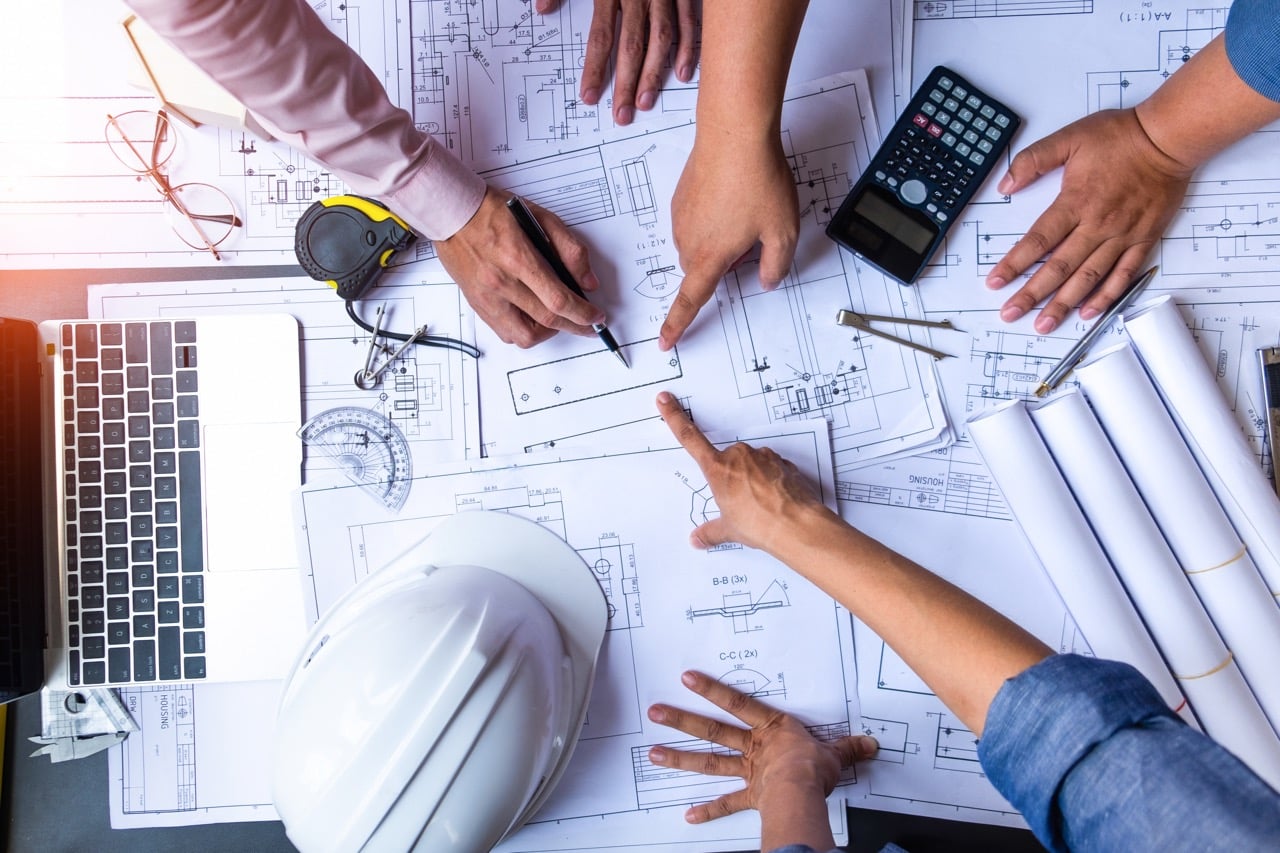
DEFINITION
Building Information Modelling (BIM) is a process for creating and managing information based on an intelligent 3D model of a construction project across its lifecycle. It provides architecture, engineering and construction (AEC) professionals an insight to plan, design, construct, and operate in an effective manner.
One of the key tools is Building Information Model, which represents the digital description of various parts of a project, like geographic information, spatial relationships, and even building time and cost. It enables professionals from different sectors to exchange and update information on a single platform, smoothing out the whole construction process collaboratively.
Civil BIM is the concept and application of BIM in a comprehensive aspect. The civil BIM will consist of everything in an infrastructure project including roads, tunnels, bridges, underground utilities, power plants and buildings, etc. Different from BIM of building, civil BIM is also being applied for site formation works. Users can rely on BIM to simulate construction workflow, anticipate workspace collision, and perform clash analysis in advance of the construction.

USAGE
BIM provides useful digital descriptions in various stages from design, planning to maintenance, which benefits not only to professionals like architects and surveyors, but also gives a clear picture to stakeholders like building owners and prospective users.
With the effective improvement of project management, BIM plays a great role in private and public housing construction. Starting from scratch, BIM provides visual assessment to housing construction planning. For instance, it gives architects valuable information like sun shading direction and area, airflow and ventilation, to better plan for the living environment for future residents.
In the process of designing building facilities, BIM serves as a visualised tool to present complex construction like fire services pump room, underground utilities and pipes in ceiling void. Changes of design could be made easily once the problem is spotted. Clashes of design and planning could be detected at early stage, rather than resolving problems in half way of the project.
BIM works impressively on large-scale construction by combining loads of data and photos into a 3D model, a much easier way to review and understand sophisticated construction. Difficulties and challenges on site could be identified swiftly with the help of BIM. It could run simulation of site operation like demolition to find out potential problems, which enhances safety to workers.
In post-construction stage, BIM acts as useful tool to improve facilities management. In the case of shopping mall managment, prospective tenant could take a visual look of the shop before making decision to rent. BIM keeps a combined record for repair and maintenance, meanwhile retrieving facilities documents could be made much easier within the system.
SOFTWARE
BIM software offers a model-based process for designing and managing buildings and infrastructure, going beyond construction drawings to generate a digital representation of the functional properties of a facility.
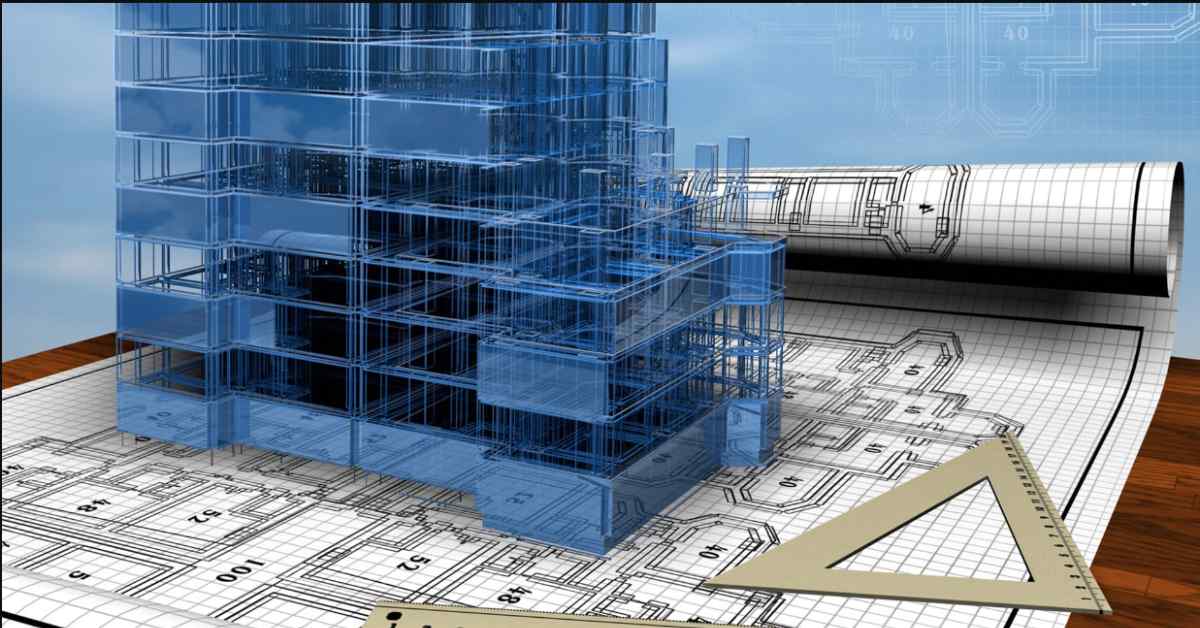
Autodesk
- Revit: BIM software platform which uses model-based process to plan, design, construct and manage buildings and infrastructure.
- AutoCAD: software for 2D documentation and drawings and designing with 3D model.
- AutoCAD Civil 3D: BIM software to enhance civil engineering design and documentation, visualize concepts, and simulate performance in the real world.
Bentley
- MicroStation: principal product line which user could model, document and visualize projects on a single integrated platform. It serves as basis for all other Bentley softwares to build up various kinds of models.
- AECOsim Building Designer: BIM software popular among architecture, engineering and construction sectors, integrating multiple disciplines to reach effective communications between teams.
- ProjectWise: project information management and cloud collaboration software for sharing project information between project stakeholders.
- ContextCapture: reality modeling software which combines photographs into a model with context for design, construction and operations decisions.
Graphisoft
- ArchiCAD: design tool that offers 2D and 3D drafting, visualization and documentation functions for architects and designers.
- BIMserver: BIM software product which lets architects to assess the same platform to manage BIM database and facilitate collaboration.